Sensors2Care
AI & Data
Semester programme:Master Applied IT
Research group:Future Software
Project group members:Victor Verkoelen
Stoil Yonchev
Li Li
Project description
The project is about using the data from wearable sensors to build a stress detector using MLOps that can be used to help patients who are suffering from chronic pain or dementia.
Each of us have found a research gap within this context, focussing on sensor reliability, database and architecture and enabling UX/HCI research by mocking undeterministic MLOps output.
Context
The context is Healthcare
Results
Since the exact research gap are distinct for all three students, the results also vary.
On the data-reliability side:
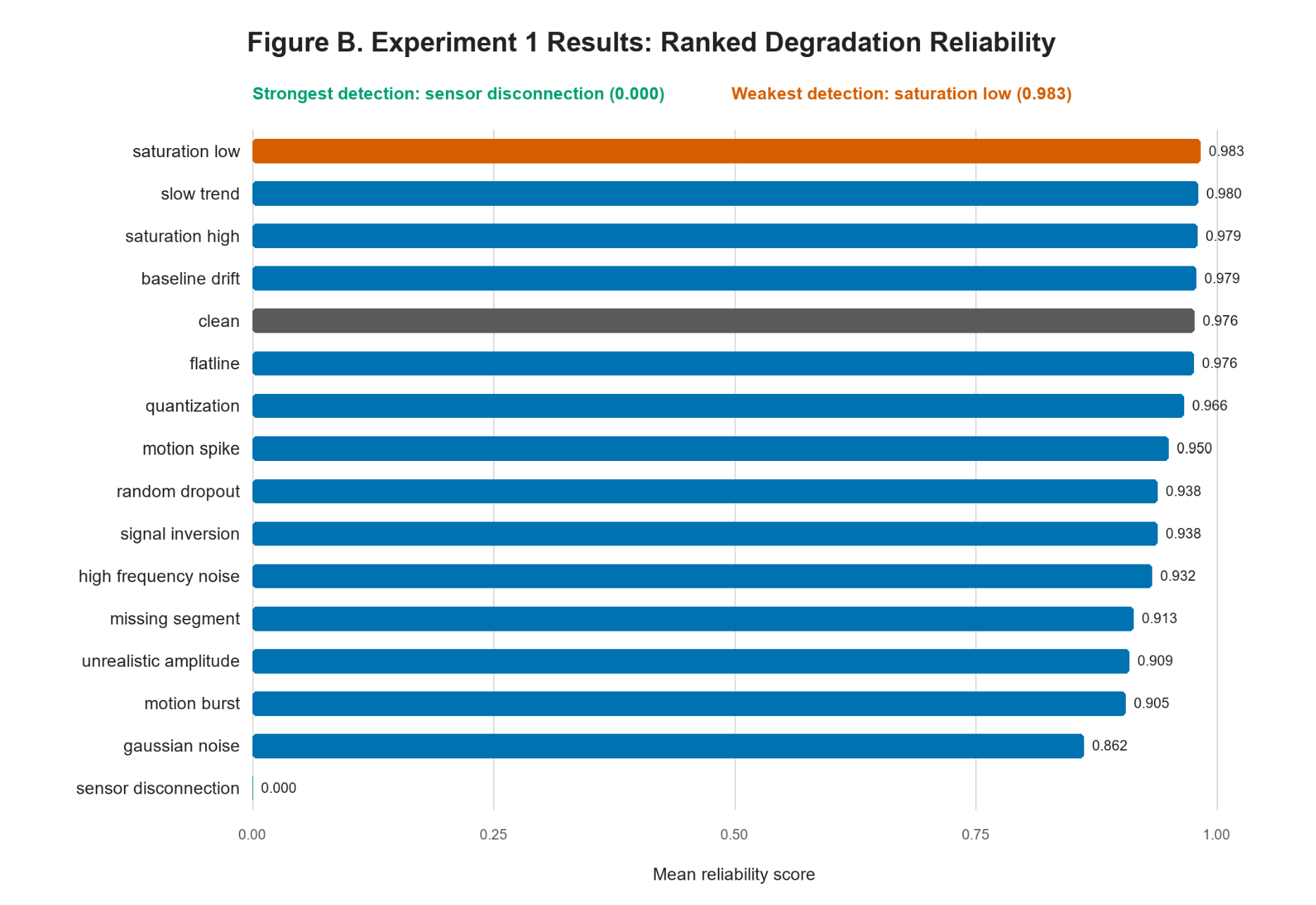
A sensors-reliability score consisting of multiple factors (like a badly seated sensor, connection-loss and unrealistic data-readings coming from wearables). These result in a web-like score that can be used for labeling the data that comes from patients before it goes ot Machine Learning training.
On the Architecture:
This project applied ATAM to evaluate architectural trade-offs in a wearable health data system serving heterogeneous consumers. The key finding is that ATAM adds structured justification over intuition — every architectural decision becomes traceable to specific scenarios and trade-off points. Prototype validation confirmed the design at TRL 4.
On UX:
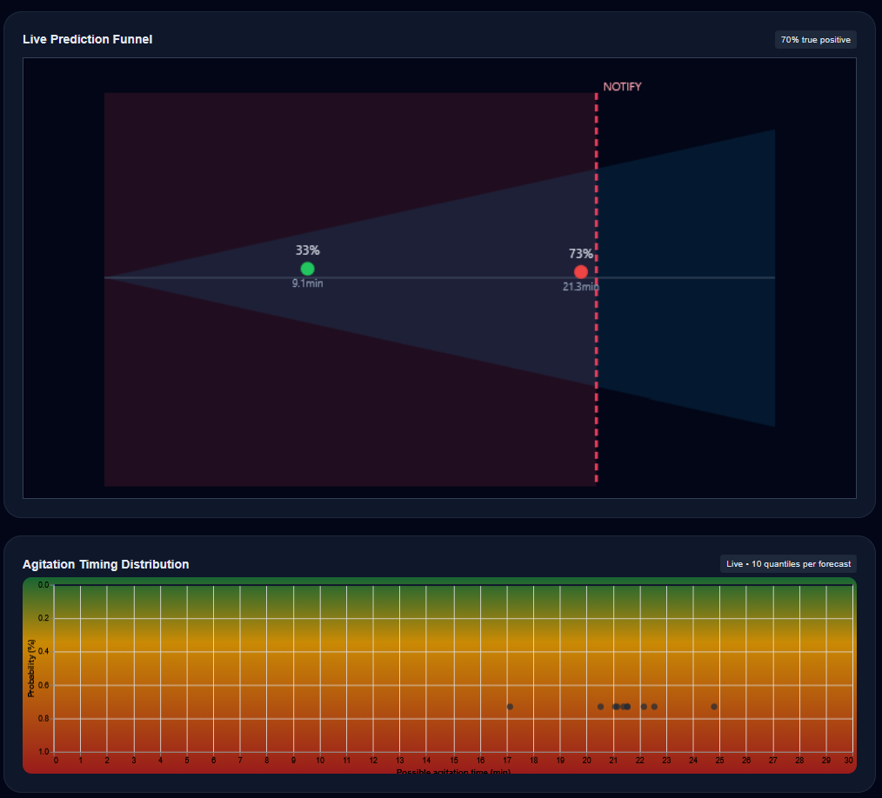
There was a big research gap, since not much work had been on predicting stress/agitation in this medical context using MLOps, and there was even less on how to bring the outcome of ML to the end-user (when to send notifications, in what manner, etc). So a research tool was made that allows for repeatable wizard of oz tests in a structured manner.
About the project group
Our group consists of two members who come from a software background and one that comes from a UX/Emerging technology background.
The project has taken place over the last semester. And since this is a masters project we've all done independent research within the context of this project.