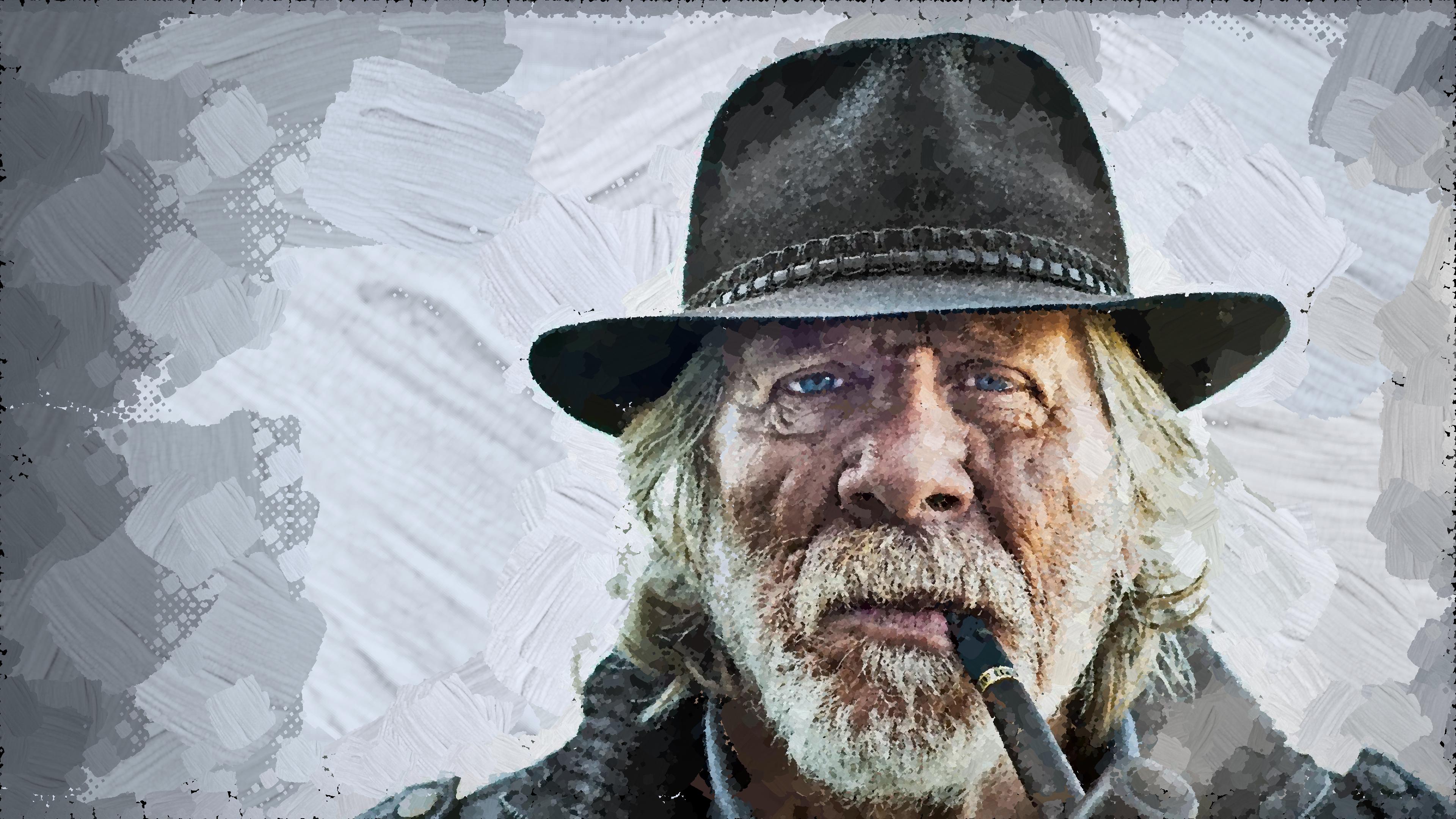
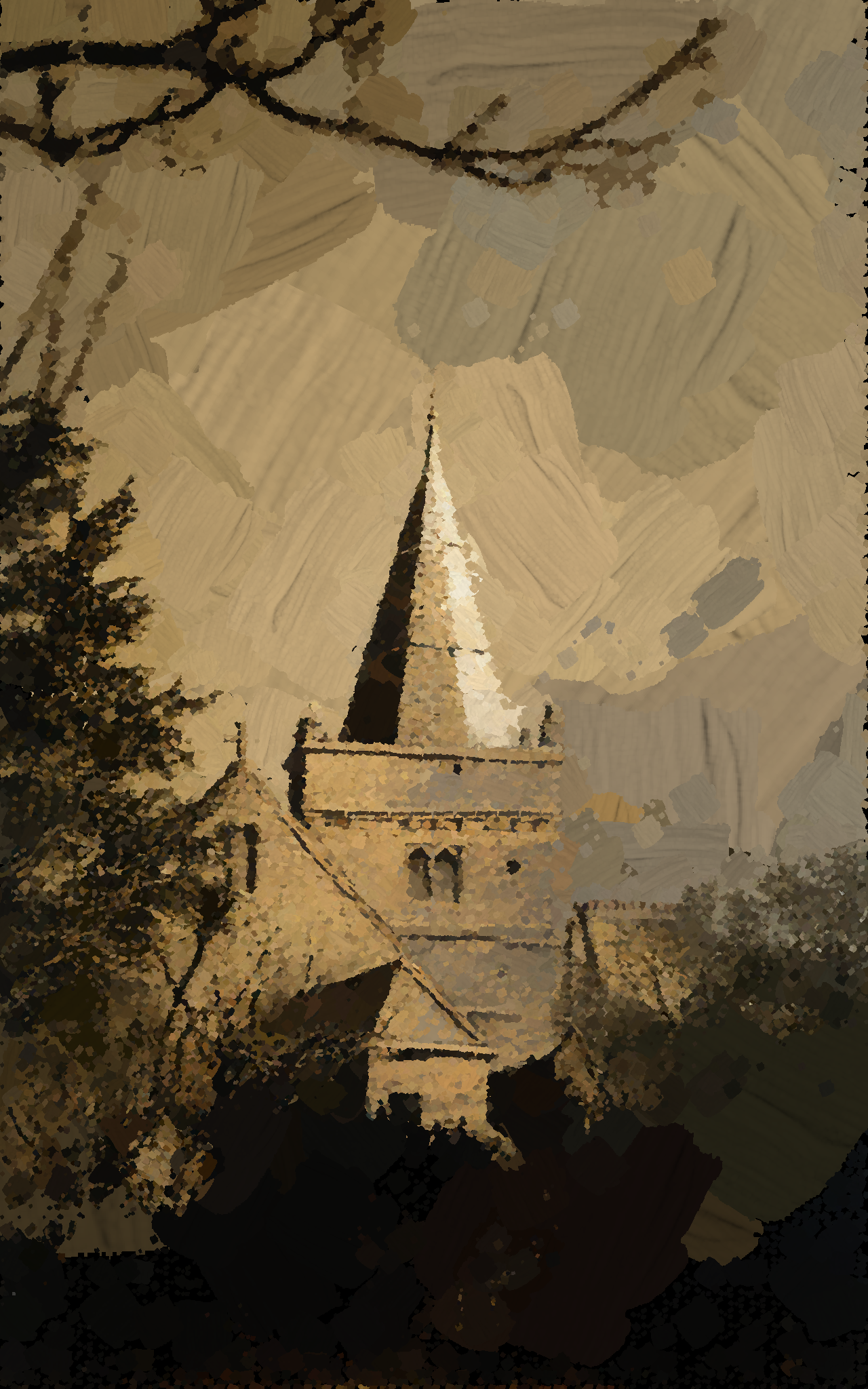
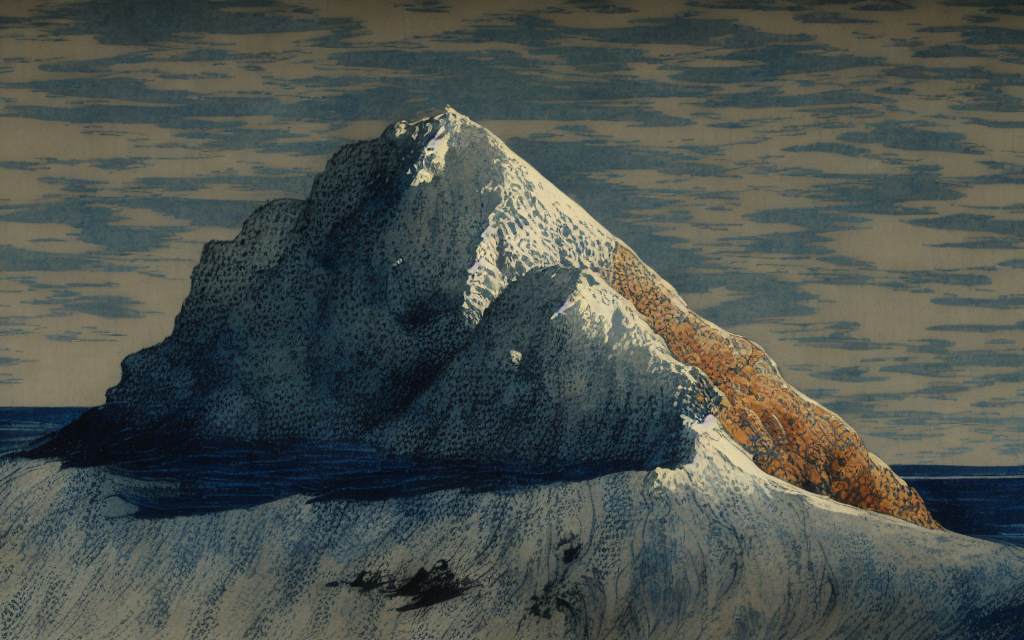
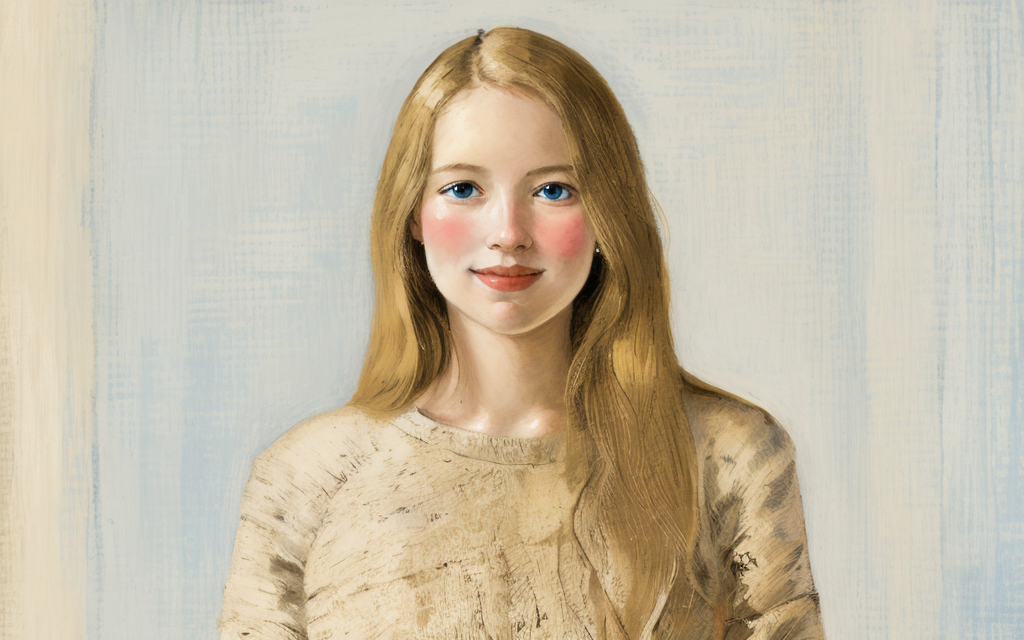
2.5D - From photo to Art work
Project description
This project investigates how an AI pipeline can transform a user-provided photo into a stylized artwork suitable for 2.5D/elevated printing.
The main design challenge is to preserve the structure and visual meaning of the original image while generating realistic artistic style, brushstroke texture, and elevation maps that can be physically printed.
The project compares how different methods represent depth, brushstroke texture, and region-specific elevation. The final goal is to identify a robust approach that creates height maps suitable for realistic digital previews and physical elevated prints.
Context
The project is situated in the domain of AI-assisted digital printing and elevated, or 2.5D, print production. Elevated printing uses digital image data together with height information to build physical surface relief by stacking cured ink layers. In this context, a height map defines which parts of an image should be raised or lowered, making it a key input for creating tactile printed surfaces.
The project connects several technical areas: computer vision, image processing, generative AI, semantic segmentation, style transfer, depth estimation, brushstroke analysis, and print-oriented height-map generation.
The domain also involves practical printing constraints, such as layer thickness, surface texture, material behavior, and the visual relationship between a digital preview and the final physical print. The work therefore belongs to the intersection of artificial intelligence, creative media technology, and advanced production printing.
Results
The project resulted in several technical outcomes and insights for AI-assisted elevated printing. First, a working prototype pipeline was developed that combines image stylization, semantic segmentation, paint transformation, and height-map generation.
Second, different height-map approaches were explored, including depth-based estimation, brushstroke-based texture extraction, segmentation-guided elevation, and hybrid combinations. The main insight is that no single height-map method is sufficient for all image types. Depth-based maps can provide useful global structure, but may fail to represent artistic brush texture. Brushstroke-based maps can create more realistic painted surfaces, but may introduce noise or artifacts in smooth regions.
Validation was performed through visual inspection, comparison of generated outputs, dataset analysis, and evaluation of the models using quantitative and qualitative methods.
The project can be positioned around TRL 6. The main components have been implemented and validated in a controlled experimental environment, but the pipeline is not yet a production-ready system
About the project group
We are four Fontys students that have background in Software and AI.