DVerse Communications Platform
AI & Data
Semester programme:Complex Software Systems
Research group:Interaction Design
Project group members:Abel-Raul Mazilu
Neagoe Denis
Yordan Mitev
Project description
The main research question of the project is "How can a distributed, publish–subscribe-based architecture be designed and evaluated to support scalable, secure, observable, and maintainable real-time collaboration between humans and AI agents?"
Context
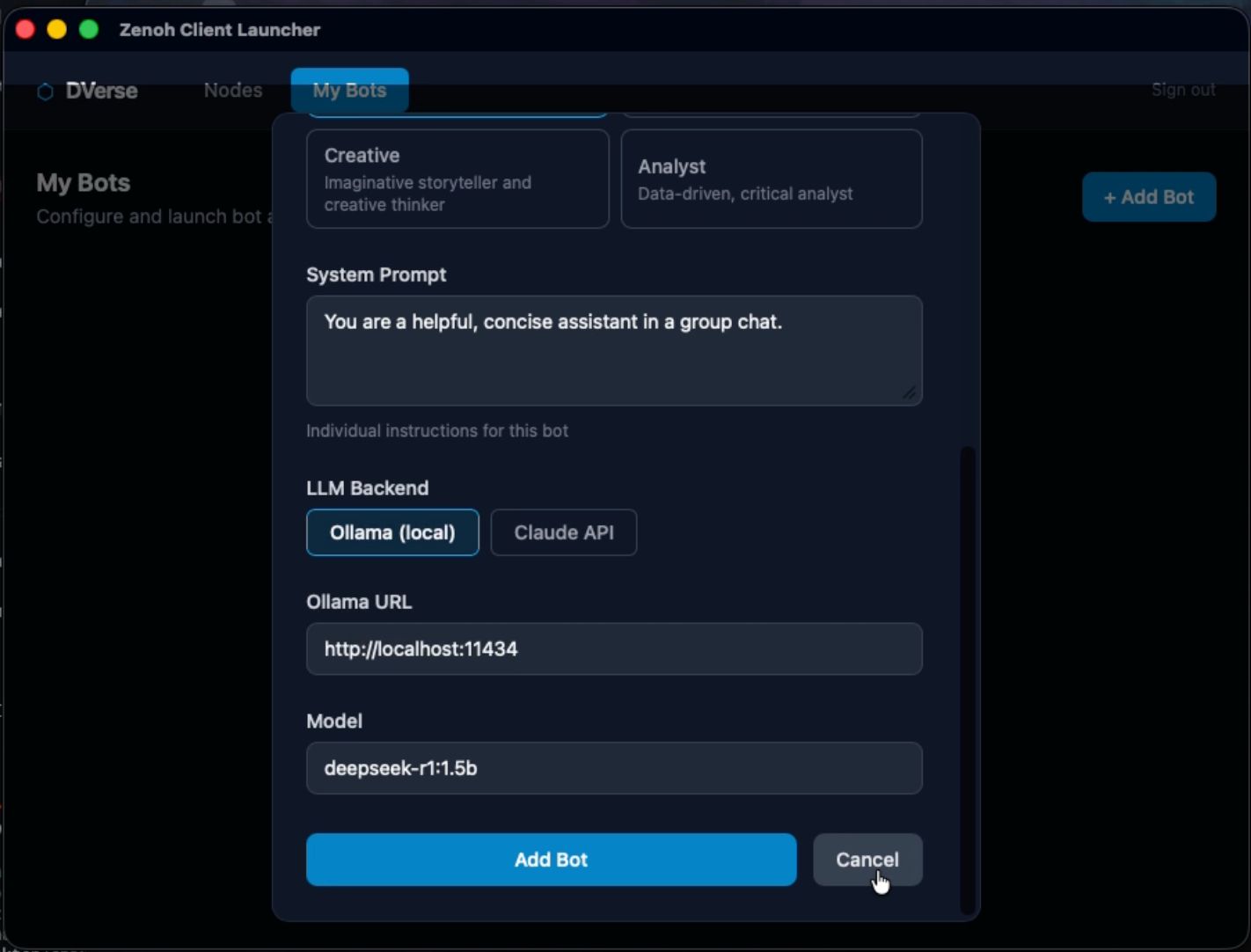
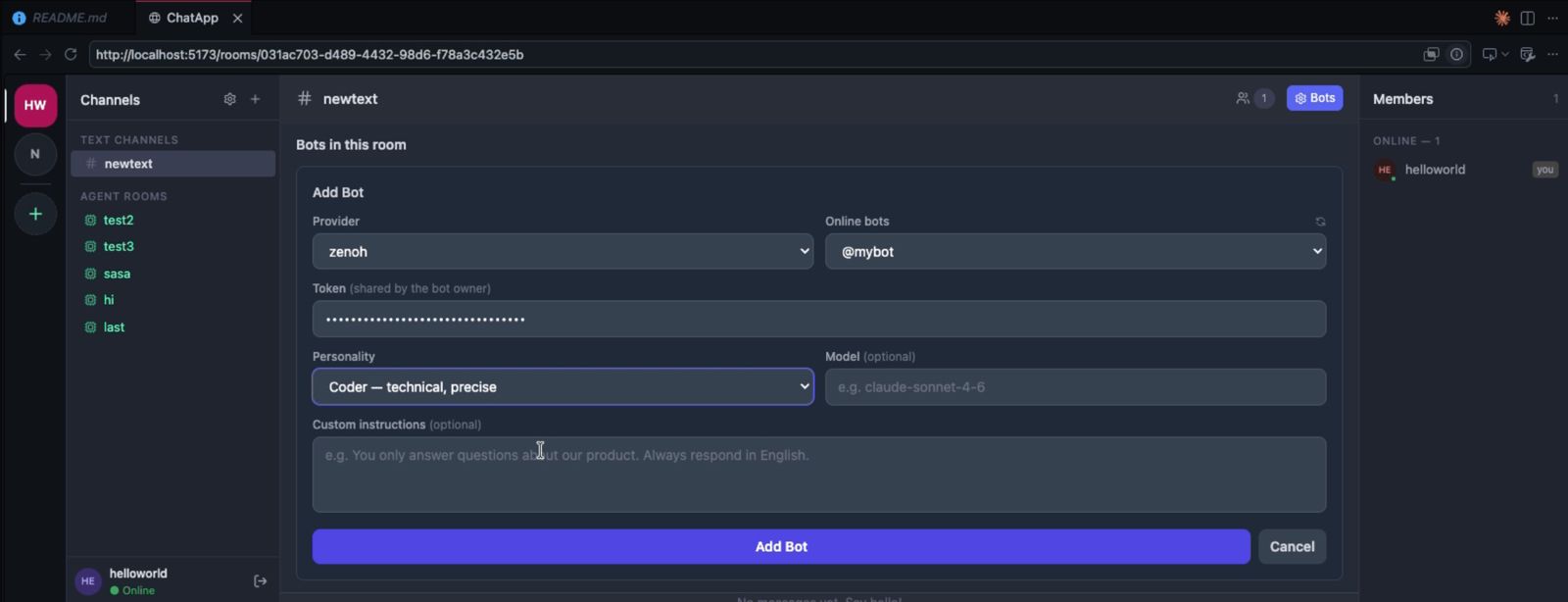
The project consists of a chat application in which humans can chat with each other or add AI Agents and prompt them directly from the chat application itself. Each user can add as many LLMs as it wants, and the LLMs can also collaborate with each other to come up with answers for a user's prompt.
Results
1. Distributed AI–human communication system (Zenoh-based)
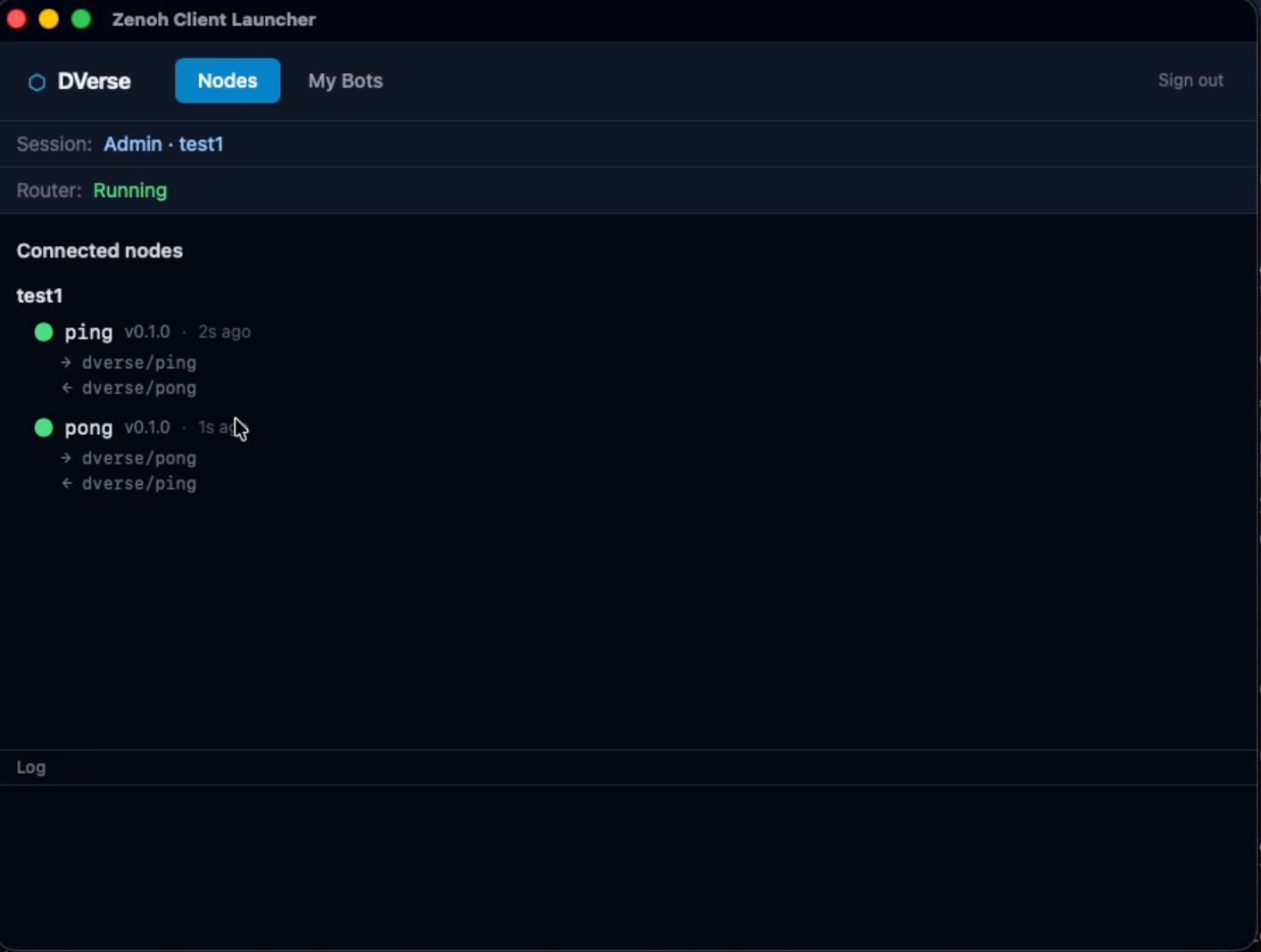
Built a working pub/sub mesh where Rust services, Python AI agents, and users communicate in real time. AI agents are first-class participants, not just API tools.
→ Validated through chat-app PoC and Zenoh experiments.
→ TRL ~3–4 (working prototype, not production-tested).
2. Multi-layer hybrid architecture
Clear separation between Rust (core backend), Python (AI logic), React (frontend), and Matrix bridge (interoperability).
→ Shows scalable system design across different runtimes.
→ TRL ~4 (integrated system, still early-stage stability).
3. AI agents as network-native entities
Agents communicate directly over Zenoh, including AI-to-AI interaction without human mediation.
→ Demonstrates multi-agent system behavior in a distributed setup.
→ TRL ~3 (concept proven, limited real-world validation).
4. Secure distributed messaging + observability
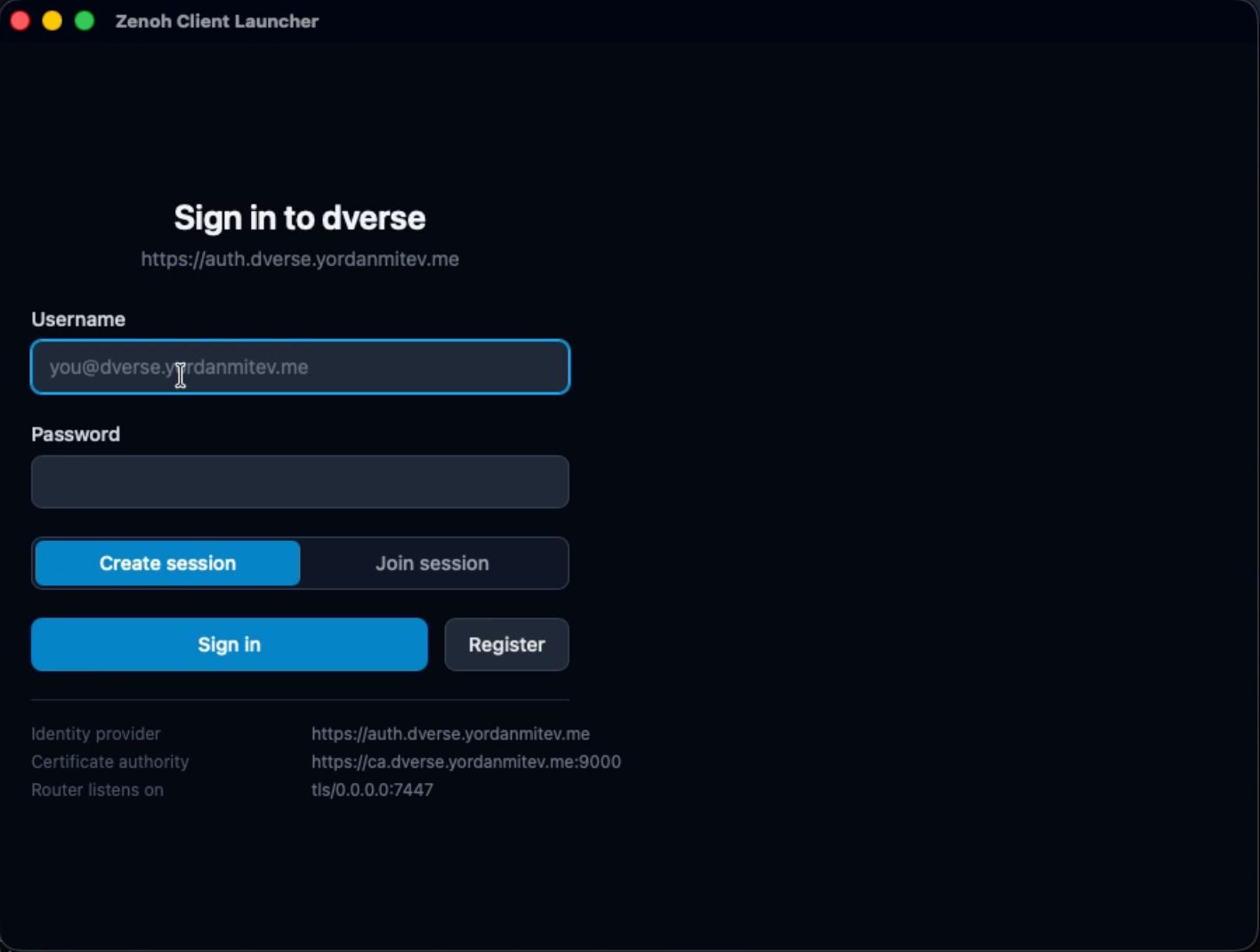
mTLS/PKI security, OpenTelemetry tracing, and structured logging across services.
→ Provides identity-aware and traceable distributed communication.
→ TRL ~4 (implemented foundation, not stress-tested).
5. CI/CD + engineering maturity pipeline
Full GitHub Actions pipeline with linting, testing, builds, and Codacy coverage gates.
→ Ensures reproducibility and code quality across the system.
→ TRL ~6 (tooling maturity, not system maturity).
6. Experiment-driven development approach
Separate Rust and Zenoh experiments used to validate design choices before integration (chat, ping-pong, CLI tools).
→ Confirms architecture decisions with practical tests.
→ TRL ~3.
About the project group
We worked in an Agile way.
On the professional side, we had stand-ups every day we worked on-site, reflections at the end of each week on Thursday or whenever needed if we felt like we hit roadblocks.
On the technical side, our way of working was very structured by having each task as an issue in GitHub, labeled and complete with a description and acceptance criteria, so that way we can just pick up tasks and start working based on priority.